Retailers often underestimate how overnight conditions affect refrigerated display cases. Open cases continue to exchange air with the store environment after hours, causing temperature fluctuations, increased compressor load, and moisture loss. Night covers are more than just a protective barrier.they interact directly with the refrigeration system to stabilize air flow and reduce operational strain. Understanding this relationship helps stores minimize shrink, save energy, and extend equipment life.
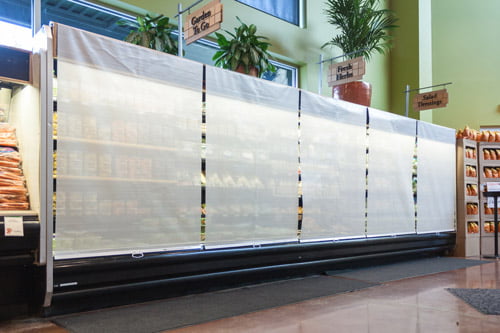
A plain-language breakdown of what happens inside the case after hours and why covers mean less work for compressors
Why Overnight Air Flow Matters
Even when the store is closed, open display cases are exposed to ambient temperature differences and air currents. This can create several challenges:
- Cold Air Loss: Chilled air naturally escapes from open cases, especially at the front and sides.
- Warm Air Intrusion: Warmer store air enters the case, raising internal temperatures.
- Humidity Changes: Moisture-laden air can lead to drying of fresh products or condensation on glass.
- Compressor Strain: The refrigeration system compensates for these changes, cycling more frequently and consuming additional energy.
Without intervention, these factors accelerate product degradation, increase utility m costs, and reduce morning merchandising quality.
How Night Covers Change the Equation
Night covers act as a simple but highly effective control for overnight air flow:
- Containment of Cold Air: Covers trap chilled air within the case, minimizing heat infiltration from the surrounding environment.
- Reduced Thermal Fluctuations: By stabilizing temperature, covers prevent the compressor from running unnecessarily to compensate for lost cold air.
- Humidity Stabilization: Covers slow moisture exchange between the case and store, helping leafy greens, berries, dairy, and meat retain freshness.
- Even Air Flow across Shelves: Properly fitted covers maintain consistent air movement, reducing cold or hot spots inside the case.
The result is more stable internal conditions, which directly supports product appearance, weight retention, and shelf life.
Impact on Refrigeration System Load
Night covers influence compressor behavior in several measurable ways:
- Fewer Start-Stop Cycles: Stabilized air reduces the frequency of compressor starts, lowering wear and tear.
- Lower Peak Demand: Cold air containment prevents sudden temperature spikes that force compressors to operate at full capacity.
- Energy Savings: Less work for compressors translates into reduced electricity costs and longer equipment lifespan.
Stores that track overnight energy consumption often see noticeable reductions after consistently using night covers, particularly in open multi-deck and island cases.
Case Load and Product Placement Considerations
The effectiveness of night covers also depends on how the case is stocked:
- Full vs Partial Load: Heavier product loads help retain cold air due to thermal mass, while empty spaces allow more warm air movement.
- Even Distribution: Properly arranged product improves air flow under the cover, ensuring uniform cooling and minimizing hotspots.
- Air Circulation Paths: Covers should not block built-in fans or vents, which are critical for distributing cold air evenly across shelves.
Retailers should coordinate night cover use with stocking patterns and case design to optimize refrigeration efficiency and product protection.
Department-Specific Benefits
Different departments experience unique advantages from proper night cover use:
- Produce: Reduces wilting and dehydration of leafy greens, herbs, and berries.
- Dairy: Maintains consistent temperature for milk, cheese, and butter, preventing off-flavors and texture changes.
- Meat: Slows oxidation and preserves front-row color, reducing first-hour discard.
- Deli and Prepared Foods: Keeps salads, sandwiches, and ready-to-eat meals looking moist and visually appealing.
Using night covers in conjunction with proper case loading ensures that all product categories benefit from temperature and air flow stabilization.
Best Practices for Integrating Night Covers With Refrigeration
To maximize performance and ensure that covers help the refrigeration system instead of hindering it:
- Check for Proper Fit: Covers should seal the case without gaps to prevent cold air escape.
- Allow for Air Flow: Position covers so built-in fans and vents are not obstructed.
- Implement Consistent SOPs: Staff should deploy covers nightly as part of the closing routine.
- Monitor Temperatures: Track case conditions before and after cover installation to quantify improvements.
- Maintain Hygiene: Clean covers regularly to prevent residue buildup that can impede air flow or create sanitation issues.
Following these steps ensures consistent product quality, reduces shrink, and lowers energy costs over time.
Comparing Night Covers to Other Overnight Strategies
While doors and air curtains offer some protection, night covers often outperform these options in open cases:
- Doors: May block accessibility but do not fully prevent cold air loss in shallow cases.
- Air Curtains: Provide partial protection but still allow heat intrusion and require additional maintenance.
- Night Covers: Offer complete containment, faster deployment, and lower operational complexity.
In many shallow or multi-deck configurations, night covers are the most efficient and cost-effective overnight solution.
Conclusion
Night covers do more than simply cover products; they work in tandem with refrigeration systems to reduce compressor load, stabilize air flow, and maintain consistent temperatures overnight. By containing cold air, minimizing moisture loss, and supporting even air circulation across shelves, covers directly reduce shrink, improve morning presentation, and save energy.
For retail operators looking to maximize case efficiency, protect product quality, and support sustainability goals, night covers are an essential tool.
To explore high-quality night covers designed for multi-deck, island, and coffin cases, visit www.refrigerationcovers.com and see how overnight coverage can improve both refrigeration performance and product preservation.
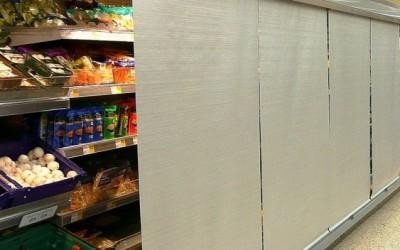
When dedicated covers outperform closing doors in shallow display cases without reducing accessibility
Retailers face a common dilemma: how to protect open refrigerated display cases overnight while balancing cost, accessibility, and product quality. Some stores rely on closing doors to contain cold air, while others invest in dedicated night covers. Understanding the trade-offs between these options is critical for reducing shrink, maintaining product appearance, and supporting operational efficiency.
Why Overnight Protection Matters
Open refrigerated cases are vulnerable to temperature drift, airflow changes, and light exposure after store hours. Even short periods of exposure can affect:
- Temperature Stability: Warm air entering the case accelerates spoilage and dehydration.
- Product Appearance: Front-row items, especially in meat, dairy, and produce sections, can lose color and moisture.
- Shrink and Waste: Drying or discolored products are more likely to be discarded in the morning.
- Energy Use: Cases working harder to recover temperature after overnight warming increase utility costs.
Without a structured protection method, stores risk both financial and visual losses in morning merchandising.
Closing Doors: Benefits and Limitations
Shallow cases equipped with doors may seem like an easy solution, but they have limitations:
Pros:
- Contain cold air and reduce immediate energy loss.
- Minimize warm-air infiltration from ambient store temperature.
- Reduce first-hour recovery time for staff.
Cons:
- Accessibility: Doors may block customers during open hours or slow restocking.
- Incomplete Protection: Small gaps or misaligned seals allow warm air and moisture to enter, compromising front-row items.
- Lighting Exposure: Cases with doors often leave lights on or partially exposed, which can accelerate oxidation and surface drying.
- Cost and Maintenance: Sliding or hinged doors can require repair and cleaning, adding to operational overhead.
While doors offer a partial solution, they do not fully address the unique challenges of overnight shrink and product quality for all departments.
Night Covers: How They Outperform Doors
Night covers provide targeted protection specifically designed for open cases. Key advantages include:
- Complete Coverage: Covers fully shield products from ambient air, light, and temperature fluctuations without relying on mechanical doors.
- Quick Deployment: Lightweight and easy to handle, covers can be installed by staff in minutes during closing routines.
- Reduced Shrink: By containing chilled air and limiting drying, front-row meat, dairy, produce, and deli items retain color, moisture, and weight.
- Energy Efficiency: Covers reduce compressor cycling overnight, lowering utility costs while maintaining consistent case temperatures.
- Low Maintenance: Unlike doors, covers do not have moving parts that wear or require frequent service.
Night covers are particularly effective for shallow, multi-deck, and island cases where doors may be impractical or obstructive.
Department-Specific Considerations
Different types of products benefit differently from night covers versus doors:
- Produce: Leafy greens and berries lose moisture quickly; covers help maintain crispness without affecting airflow.
- Dairy: Milk, cheese, and butter remain at steady temperatures, preventing off-flavors caused by fluctuating overnight exposure.
- Meat: Covers reduce oxidation and front-row discoloration, helping maintain shopper-perceived freshness.
- Deli and Prepared Foods: Salads, sandwiches, and ready-to-eat meals stay moist and visually appealing, reducing first-hour discard.
Using covers ensures consistent protection across departments, which doors alone may not provide.
Operational and Cost Considerations
When comparing doors to night covers, retailers should weigh both upfront and ongoing costs:
- Initial Investment: Doors can be expensive, particularly for retrofits in older cases. Night covers typically cost less and can fit multiple case types.
- Energy Savings: Covers prevent overnight temperature swings and reduce recovery load, which may offset the cost of electricity more effectively than doors.
- Labor Efficiency: Covers are simple to deploy and remove, saving staff time compared to managing doors and potential misalignment issues.
- Durability and Maintenance: Covers have minimal moving parts, reducing repair frequency compared to sliding or hinged doors.
Stores that adopt night covers often see measurable improvements in shrink reduction and energy efficiency within weeks.
Best Practices for Night Cover Use
To maximize benefits and ensure covers outperform doors:
- Proper Fit: Covers should match the case dimensions without gaps.
- Consistent Deployment: Include cover placement in the closing SOP to prevent missed nights.
- Combine With Food-Safe Lighting: Reduce harmful light exposure that can accelerate spoilage.
- Monitor Performance: Track overnight temperature stability and morning product quality.
- Clean Regularly: Maintain hygiene and avoid residue that could compromise airflow or coverage.
Consistent adherence to these practices ensures product quality, reduces shrink, and supports energy savings.
When Doors Are Still Useful
While night covers often outperform doors in shallow or multi-deck cases, doors may still be appropriate in some scenarios:
- High-traffic beverage or packaged-food cases where customer access is limited.
- Departments where complete nightly coverage is less critical.
- New installations where retrofitting night covers is impractical.
In many cases, combining doors during operating hours with night covers after close delivers the best balance of accessibility, preservation, and energy efficiency.
Conclusion
Night covers provide retailers with a flexible, cost-effective solution to preserve product quality overnight, especially in open, shallow, or multi-deck cases where doors alone are insufficient. By containing cold air, limiting exposure to harmful lights, and stabilizing temperature, covers reduce shrink, protect front-row products, and support consistent morning presentation.
For stores evaluating overnight protection options, night covers are often the most practical solution, delivering measurable benefits in product preservation, energy efficiency, and labor efficiency.
To learn more about high-quality night covers and tailored refrigeration solutions, visit www.refrigerationcovers.com and discover how proper overnight coverage can protect perishables and improve store operations.
What happens to fresh meat overnight without coverage, and how good covers help keep color more consistent
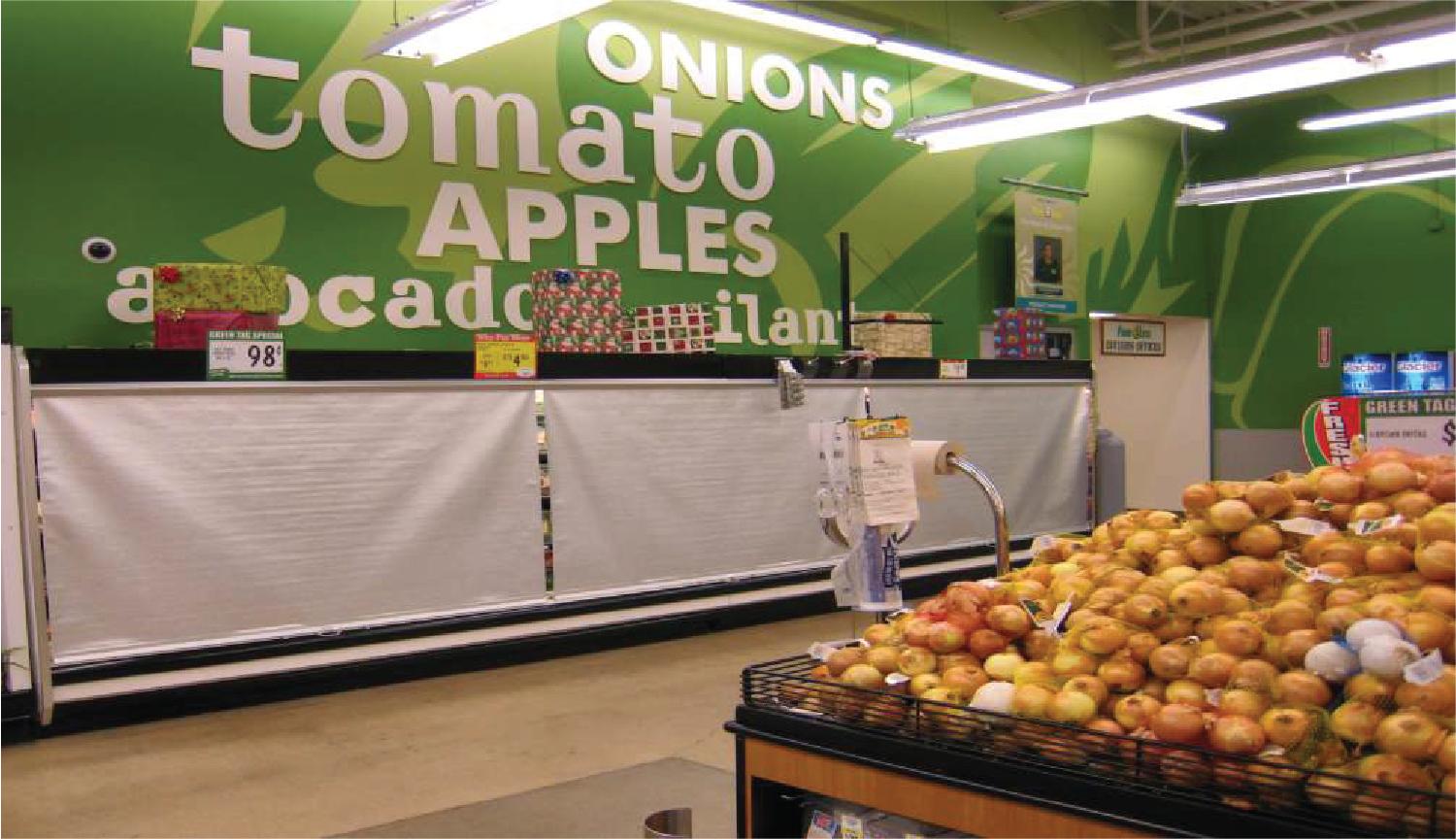
Fresh meat is one of the most visually sensitive products in grocery stores. Shoppers often judge quality based on color, and the front row of display cases receives the most scrutiny. Without proper overnight protection, meat can develop uneven coloration, dry surfaces, and unnecessary shrink, which not only affect sales but also increase labor and waste. Night covers for meat cases offer a simple, effective solution to maintain consistent appearance, extend shelf life, and reduce discard during morning pull-downs.
Why Meat Loses Quality Overnight
Several factors contribute to overnight discoloration and shrink in open meat cases:
- Air Exposure: Warm ambient air infiltrates open cases, causing the surface of meats to dry and leading to darker or brown edges in the front row.
- Temperature Fluctuations: Even slight rises in case temperature accelerates oxidation and color fading, particularly in lean cuts and ground meat.
- Harmful Light Exposure: Standard display lights can oxidize myoglobin in fresh meat, causing a loss of bright red color that shoppers associate with freshness.
- Uneven Airflow: Fans and refrigeration patterns can create hot or dry zones, leading to inconsistent appearance across the case.
Left unaddressed, these conditions result in visible quality loss, first-hour discard, and increased shrink, impacting profitability and operational efficiency.
How Meat Case Night Covers Protect Front-Row Cuts
Night covers are designed to fit securely over meat display cases at closing, delivering multiple benefits:
- Color Preservation: Covers reduce exposure to harmful light and warm air, slowing oxidation and maintaining natural red hues.
- Moisture Retention: By containing chilled air and reducing airflow-induced dehydration, covers help prevent dry edges on steaks, chops, and ground beef.
- Temperature Stability: Maintaining consistent case temperature overnight protects protein structure, reduces microbial stress, and supports product longevity.
- Shrink Reduction: Fewer surface losses and less drying mean less weight lost to trimming, resulting in improved yield and reduced labor costs.
Covers designed for meat cases ensure proper fit, allowing airflow where necessary for refrigeration efficiency while maximizing protection for front-row products.
Choosing the Right Meat Case Covers
When selecting night covers for meat cases, retailers should evaluate these factors:
- Case Compatibility: Covers must match multi-deck, service, or self-serve cases to prevent gaps where warm air and light could compromise product quality.
- Material Durability: Food-safe, flexible materials withstand repeated nightly use without tearing or warping.
- Ease of Handling: Covers should be lightweight and easy for staff to deploy quickly during closing routines.
- Visibility for Staff: Semi-transparent materials allow visual confirmation of coverage without compromising protection.
- Cleaning and Sanitation: Covers should be easy to clean, minimizing bacterial buildup and extending lifespan.
The right cover reduces shrink, improves visual appeal, and streamlines overnight operations.
Best Practices for Night Cover Use in Meat Departments
Maximizing the effectiveness of meat case covers requires consistent procedures:
- Integrate into SOPs: Include cover placement as part of the nightly closing routine to ensure consistent protection.
- Monitor Case Conditions: Track overnight temperatures, humidity, and airflow to confirm that covers are maintaining steady conditions.
- Avoid Obstructing Refrigeration: Ensure covers do not block fans, vents, or sensors, which could create hotspots or uneven cooling.
- Clean Regularly: Maintain hygiene to prevent residue or moisture accumulation that could affect product quality.
- Assign Accountability: Designate staff responsible for cover placement and removal to prevent missed nights.
These practices ensure that fresh meat maintains its natural color, texture, and moisture, reducing morning labor and first-hour discard.
Department-Specific Considerations
Different meat products react uniquely to overnight conditions:
- Ground Beef: Oxidizes quickly; front-row protection prevents brown edges.
- Steaks and Chops: Retain marbling and red color when shielded from air and light.
- Poultry: Prevents grayish cast on skin while keeping moisture levels consistent.
- Smoked or Cured Meats: Reduces loss of contrast and color depth on darker products and packaging.
Understanding these nuances allows store teams to prioritize protection where it has the most impact.
Measuring the Benefits of Meat Case Covers
Retailers can track performance and ROI by monitoring:
- Color Consistency: Compare front-row and back-row meat appearance before and after implementing covers.
- Shrink and Waste: Track weight loss, trimming, and discard rates for measurable savings.
- Temperature Logs: Verify overnight stability and detect any gaps in coverage.
- Labor Efficiency: Reduced discard and trimming frees staff for merchandising and customer service tasks
Documenting these metrics demonstrates both operational and financial value to store management.
Avoiding Common Mistakes
To ensure covers deliver maximum benefit, avoid these pitfalls:
- Improper Fit: Gaps allow warm air and light to compromise product appearance.
- Inconsistent Use: Skipping nights negates protection and increases morning discard.
- Blocked Airflow: Obstructing fans or sensors can create uneven cooling or condensation.
- Poor Cleaning: Residue buildup reduces lifespan and hygiene, potentially affecting product safety.
Attention to these details ensures consistent protection for all meat products in the display case.
Conclusion
Meat case night covers are an essential tool for retailers seeking to preserve front-row color, reduce shrink, and maintain product quality. By limiting exposure to harmful lights, stabilizing temperature, and retaining moisture, covers help store teams reduce labor, minimize first-hour discard, and improve shopper perception of freshness.
For stores looking to implement reliable overnight protection and maintain consistent meat display quality, night covers are a practical, low-cost solution with measurable benefits.
To explore high-quality meat case covers and other display solutions, visit www.refrigerationcovers.com and learn how proper overnight coverage can protect perishables and improve operational efficiency.
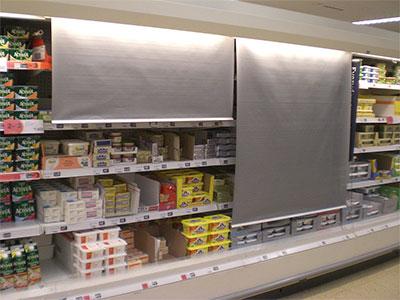
How overnight coverage limits harmful lights and maintains steady case conditions to keep dairy looking natural
Dairy products are among the most sensitive perishable items in grocery stores. Milk, cheese, and butter are highly reactive to changes in temperature, light exposure, and airflow. Even small overnight fluctuations in case conditions can accelerate spoilage, affect color, and reduce perceived quality. Display covers for dairy cases offer a practical solution, maintaining steady conditions during non-operational hours while reducing energy consumption and supporting product freshness at opening.
Why Dairy Reacts Quickly Overnight
Dairy products are vulnerable to environmental changes due to their fat content, water activity, and protein structure:
- Temperature Sensitivity: Minor rises in case temperature overnight can cause milk to develop off-flavors, cheese to sweat or lose firmness, and butter to soften excessively.
- Light Exposure: Harmful wavelengths from display lighting can oxidize fats in milk and cheese, leading to color fading, yellowing, or off-odors.
- Air Infiltration: Open cases allow warmer ambient air to enter, increasing temperature fluctuations and stressing refrigeration systems.
- Airflow Patterns: Fans intended for even cooling can inadvertently dry surfaces or create uneven temperature zones if not managed properly.
These factors contribute to reduced shelf life, early-morning product discard, and compromised customer perception.
How Dairy Covers Protect Product Quality
Display covers for dairy cases serve multiple functions that directly address overnight quality loss:
- Temperature Stability: Covers retain chilled air inside the case, minimizing overnight warming and helping products remain within optimal temperature ranges.
- Light Limitation: By shielding products from harmful light wavelengths, covers reduce oxidation of fats and help maintain natural color and texture.
- Moisture Control: Coverage slows surface dehydration, keeping cheeses, butter, and milk visually appealing and safe for longer.
- Energy Efficiency: Retaining cold air reduces compressor load, cutting energy use without compromising product quality.
High-quality covers are designed to fit specific case types multi-deck, coffin, island, or specialty dairy cases to ensure maximum protection and operational efficiency.
Selecting the Right Dairy Display Covers
When choosing covers for dairy cases, consider the following factors:
- Proper Fit: Ensure the cover matches the case dimensions closely to prevent gaps that allow air exchange.
- Durable Materials: Use food-safe, flexible materials that resist tearing and withstand daily placement and removal.
- Ease of Handling: Covers should be lightweight and simple for staff to deploy quickly during nightly closing routines.
- Visibility and Cleaning: Semi-transparent materials allow staff to check coverage while facilitating easy sanitation.
- Compatibility with Case Design: Some dairy cases feature sloped or stepped shelving; covers should accommodate these variations for consistent protection.
A well-chosen cover enhances product quality, protects shelf life, and simplifies overnight case management.
Best Practices for Using Dairy Display Covers
To maximize their effectiveness, retailers should integrate covers into daily operational routines:
- Include Covers in SOPs: Make nightly placement a standard procedure to ensure consistent protection.
- Monitor Temperature and Humidity: Track overnight case conditions to confirm covers maintain stable environments.
- Avoid Blocking Refrigeration Components: Ensure vents, fans, and sensors remain unobstructed to prevent uneven cooling.
- Regular Cleaning: Maintain hygiene by cleaning covers on a schedule, using safe methods that preserve materials and prevent residue buildup.
- Staff Accountability: Assign clear responsibility for cover placement and removal to avoid missed nights.
Following these best practices ensures that dairy products remain visually appealing, safe, and flavorful at opening.
Department-Specific Considerations
- Milk: Prevents minor warming that could accelerate bacterial growth and off-flavors.
- Cheese: Protects texture, prevents sweating, and reduces yellowing or discoloration.
- Butter: Maintains firmness, prevents softening, and protects surface appearance
By addressing the unique needs of each product type, Night covers can significantly reduce spoilage and first hour discards.
Measuring Effectiveness
Retailers can evaluate the impact of dairy display covers through:
- Product Appearance: Compare color, texture, and surface moisture before and after implementing covers.
- Shrink Reduction: Track how many items are discarded each morning due to visible quality issues.
- Temperature Logs: Monitor overnight case stability to validate coverage effectiveness.
- Energy Usage: Measure compressor runtime to confirm efficiency improvements.
Collecting these metrics supports operational decisions and demonstrates ROI to management.
Avoiding Common Mistakes
- Improper Fit: Gaps allow temperature and light fluctuations, reducing protection.
- Inconsistent Use: Sporadic deployment undermines benefits.
- Poor Cleaning: Residue buildup compromises hygiene and reduces cover lifespan.
- Blocking Airflow: Covers should never obstruct fans, vents, or sensors, which can create hotspots or uneven temperatures.
Addressing these mistakes ensures that dairy covers perform reliably and deliver measurable benefits
Conclusion
Dairy display covers are a simple, cost-effective way to protect milk, cheese, and butter from overnight temperature swings and harmful light exposure. They help maintain consistent temperatures, reduce moisture loss, and preserve natural color, appearance, and texture.
Retailers who integrate covers into nightly routines, monitor effectiveness, and train staff to handle them properly can reduce first-hour discard, improve customer perception, and support energy-efficient operations.
For more information on high-quality dairy display covers and solutions for other open refrigerated cases, visit www.refrigerationcovers.com and explore how these covers help protect perishables while supporting operational efficiency and product freshness.
Why open display cases warm overnight, how covers contain cold air, and what consistency means for product quality
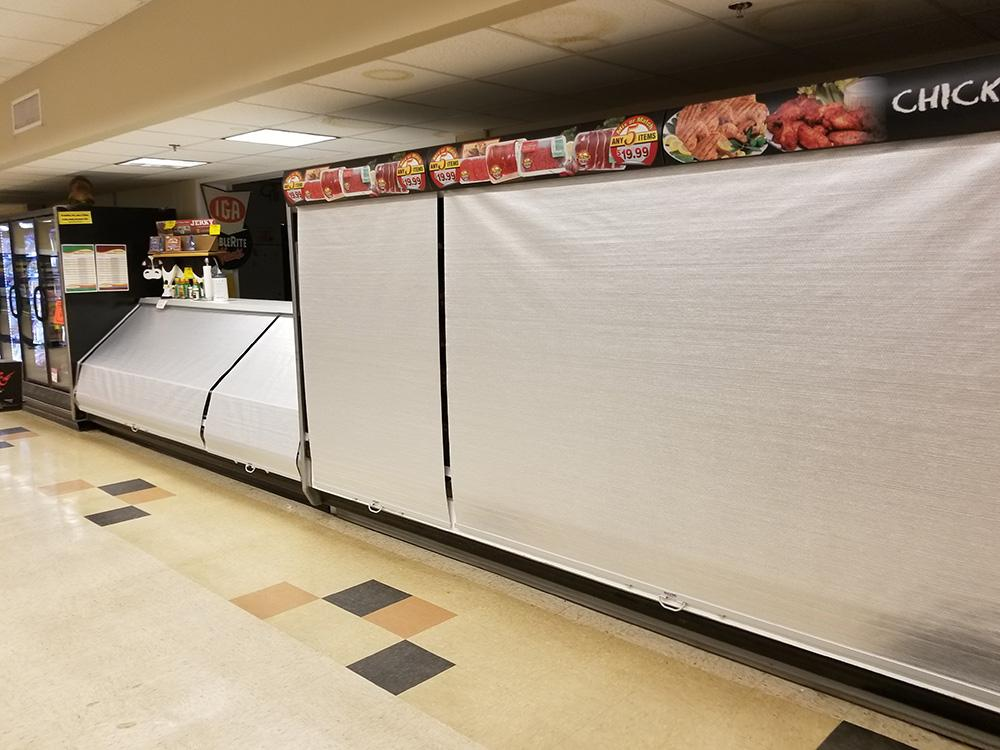
Open display cases are essential for shopper convenience, but they also present operational challenges. One of the most common issues is overnight temperature drift.when cold air escapes and ambient store temperatures infiltrate cases. Even small fluctuations can affect product freshness, moisture content, and appearance, leading to increased spoilage, shrink, and labor costs. Refrigeration covers are a practical solution that helps maintain consistent case temperatures during non-operational hours, protecting perishable items and supporting efficient store operations.
Why Open Cases Warm Overnight
Several factors contribute to temperature drift in open cases:
Overnight warming not only affects product quality but also increases refrigeration workload in the early morning, raising energy use and operational costs.
How Refrigeration Covers Work
Refrigeration covers provide a physical barrier that helps maintain optimal conditions inside display cases after hours. Their benefits include:
High-quality refrigeration covers are designed to fit specific case types multi-deck, island, coffin, or endcap ensuring maximum coverage and sealing performance.
Department-Specific Benefits
Refrigeration covers provide unique advantages for different grocery categories:
Produce: Leafy greens, herbs, and berries retain moisture and crispness, reducing first-hour discard.
By department, the most immediate improvements are seen where temperature sensitivity and moisture retention are critical.
Best Practices for Using Refrigeration Covers
To maximize benefits, retailers should follow several key steps:
These steps ensure refrigeration covers perform reliably and consistently, maximizing both energy savings and product quality.
Energy Efficiency and Cost Savings
Refrigeration covers not only protect product quality they also contribute to operational efficiency:
Investing in covers delivers measurable return on investment, particularly in stores with multiple open display cases or extended hours.
Temperature Monitoring and Performance Tracking
Retailers can measure the effectiveness of refrigeration covers by tracking:
Data from these metrics helps stores justify investment in covers and identify further opportunities for operational improvement.
Common Mistakes to Avoid
Incorrect Cover Size: Gaps reduce effectiveness, allowing cold air to escape and warm air enter.
Conclusion
Refrigeration covers are a simple, cost-effective solution for reducing overnight case temperature drift in open display units. By containing cold air, stabilizing temperatures, and minimizing moisture loss, they protect product quality, reduce labor and waste, and improve energy efficiency.
When integrated into standard closing procedures and combined with proper lighting and staff accountability, refrigeration covers help supermarkets maintain consistent freshness, optimize operational efficiency, and improve customer satisfaction.
For more information on durable, properly sized refrigeration covers designed for open display cases, visit www.refrigerationcovers.com and discover solutions that protect perishable products and reduce overnight temperature drift.
Quick Contact
We'll get back to you shortly.
We'll get back to you shortly.