Retailers face a common dilemma: how to protect open refrigerated display cases overnight while balancing cost, accessibility, and product quality. Some stores rely on closing doors to contain cold air, while others invest in dedicated night covers. Understanding the trade-offs between these options is critical for reducing shrink, maintaining product appearance, and supporting operational efficiency.
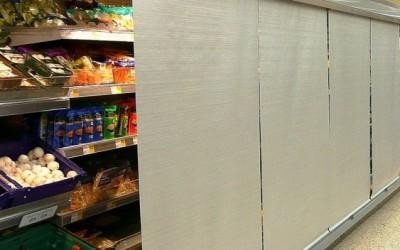
When dedicated covers outperform closing doors in shallow display cases without reducing accessibility
Why Overnight Protection Matters
Open refrigerated cases are vulnerable to temperature drift, airflow changes, and light exposure after store hours. Even short periods of exposure can affect:
- Temperature Stability: Warm air entering the case accelerates spoilage and dehydration.
- Product Appearance: Front-row items, especially in meat, dairy, and produce sections, can lose color and moisture.
- Shrink and Waste: Drying or discolored products are more likely to be discarded in the morning.
- Energy Use: Cases working harder to recover temperature after overnight warming increase utility costs.
Without a structured protection method, stores risk both financial and visual losses in morning merchandising.
Closing Doors: Benefits and Limitations
Shallow cases equipped with doors may seem like an easy solution, but they have limitations:
Pros:
- Contain cold air and reduce immediate energy loss.
- Minimize warm-air infiltration from ambient store temperature.
- Reduce first-hour recovery time for staff.
Cons:
- Accessibility: Doors may block customers during open hours or slow restocking.
- Incomplete Protection: Small gaps or misaligned seals allow warm air and moisture to enter, compromising front-row items.
- Lighting Exposure: Cases with doors often leave lights on or partially exposed, which can accelerate oxidation and surface drying.
- Cost and Maintenance: Sliding or hinged doors can require repair and cleaning, adding to operational overhead.
While doors offer a partial solution, they do not fully address the unique challenges of overnight shrink and product quality for all departments.
Night Covers: How They Outperform Doors
Night covers provide targeted protection specifically designed for open cases. Key advantages include:
- Complete Coverage: Covers fully shield products from ambient air, light, and temperature fluctuations without relying on mechanical doors.
- Quick Deployment: Lightweight and easy to handle, covers can be installed by staff in minutes during closing routines.
- Reduced Shrink: By containing chilled air and limiting drying, front-row meat, dairy, produce, and deli items retain color, moisture, and weight.
- Energy Efficiency: Covers reduce compressor cycling overnight, lowering utility costs while maintaining consistent case temperatures.
- Low Maintenance: Unlike doors, covers do not have moving parts that wear or require frequent service.
Night covers are particularly effective for shallow, multi-deck, and island cases where doors may be impractical or obstructive.
Department-Specific Considerations
Different types of products benefit differently from night covers versus doors:
- Produce: Leafy greens and berries lose moisture quickly; covers help maintain crispness without affecting airflow.
- Dairy: Milk, cheese, and butter remain at steady temperatures, preventing off-flavors caused by fluctuating overnight exposure.
- Meat: Covers reduce oxidation and front-row discoloration, helping maintain shopper-perceived freshness.
- Deli and Prepared Foods: Salads, sandwiches, and ready-to-eat meals stay moist and visually appealing, reducing first-hour discard.
Using covers ensures consistent protection across departments, which doors alone may not provide.
Operational and Cost Considerations
When comparing doors to night covers, retailers should weigh both upfront and ongoing costs:
- Initial Investment: Doors can be expensive, particularly for retrofits in older cases. Night covers typically cost less and can fit multiple case types.
- Energy Savings: Covers prevent overnight temperature swings and reduce recovery load, which may offset the cost of electricity more effectively than doors.
- Labor Efficiency: Covers are simple to deploy and remove, saving staff time compared to managing doors and potential misalignment issues.
- Durability and Maintenance: Covers have minimal moving parts, reducing repair frequency compared to sliding or hinged doors.
Stores that adopt night covers often see measurable improvements in shrink reduction and energy efficiency within weeks.
Best Practices for Night Cover Use
To maximize benefits and ensure covers outperform doors:
- Proper Fit: Covers should match the case dimensions without gaps.
- Consistent Deployment: Include cover placement in the closing SOP to prevent missed nights.
- Combine With Food-Safe Lighting: Reduce harmful light exposure that can accelerate spoilage.
- Monitor Performance: Track overnight temperature stability and morning product quality.
- Clean Regularly: Maintain hygiene and avoid residue that could compromise airflow or coverage.
Consistent adherence to these practices ensures product quality, reduces shrink, and supports energy savings.
When Doors Are Still Useful
While night covers often outperform doors in shallow or multi-deck cases, doors may still be appropriate in some scenarios:
- High-traffic beverage or packaged-food cases where customer access is limited.
- Departments where complete nightly coverage is less critical.
- New installations where retrofitting night covers is impractical.
In many cases, combining doors during operating hours with night covers after close delivers the best balance of accessibility, preservation, and energy efficiency.
Conclusion
Night covers provide retailers with a flexible, cost-effective solution to preserve product quality overnight, especially in open, shallow, or multi-deck cases where doors alone are insufficient. By containing cold air, limiting exposure to harmful lights, and stabilizing temperature, covers reduce shrink, protect front-row products, and support consistent morning presentation.
For stores evaluating overnight protection options, night covers are often the most practical solution, delivering measurable benefits in product preservation, energy efficiency, and labor efficiency.
To learn more about high-quality night covers and tailored refrigeration solutions, visit www.refrigerationcovers.com and discover how proper overnight coverage can protect perishables and improve store operations.
Quick Contact
We'll get back to you shortly.
We'll get back to you shortly.