A practical guide to selecting covers that protect leafy greens and berries from overnight moisture loss and harmful lights
Produce departments are some of the most sensitive areas in grocery stores. Leafy greens, herbs, and berries are highly perishable, and even small overnight temperature fluctuations or exposure to ambient air can lead to moisture loss, wilted leaves, and faded colors. These issues affect not only product quality but also sales, shrink, and shopper satisfaction. Night covers provide a simple, effective solution to protect produce during non-operational hours while reducing energy use and maintaining visual appeal at opening.
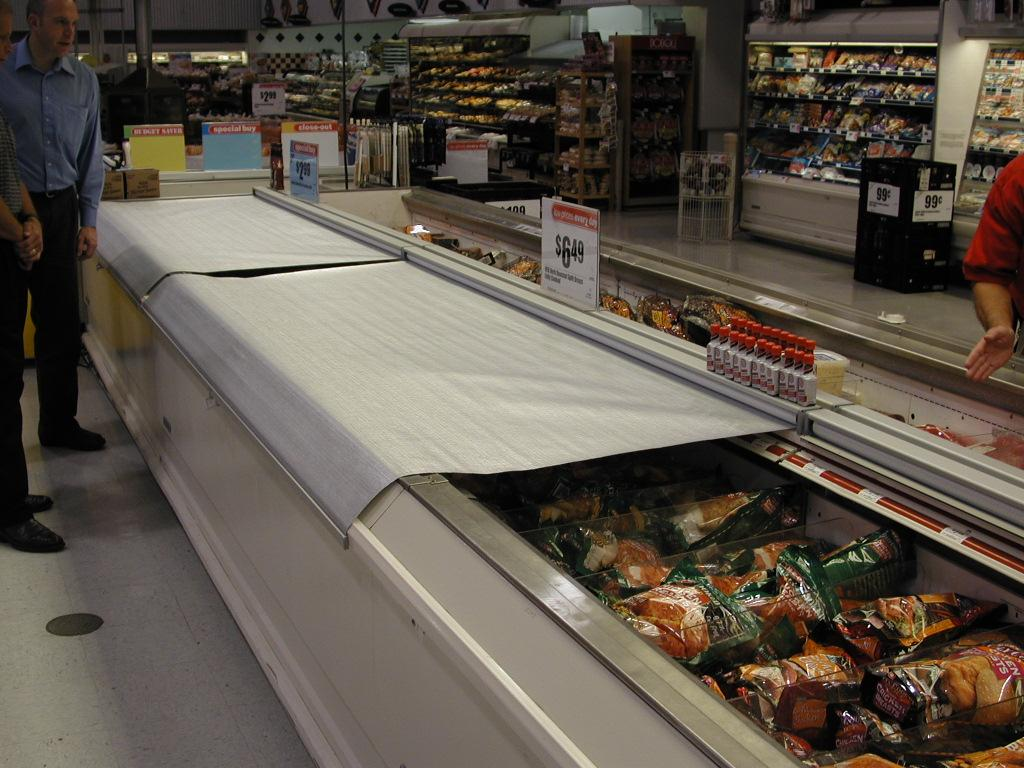
Why Produce Suffers Overnight
Open produce cases are designed for customer access, but after hours, several factors contribute to product deterioration:
How Night Covers Help Protect Produce
How Night Covers Help Protect Produce
Night covers serve as a practical solution to reduce dehydration and color fading. Their key benefits include:
High-quality covers are tailored to fit different case types, such as multi-deck, coffin, or island cases, ensuring maximum protection across the display.
Choosing effective night covers requires attention to fit, material, and usability:
- Proper Sizing: Covers must match the exact dimensions of the case to prevent gaps where cold air can escape.
- Durable Materials: Covers should be made from flexible, food-safe materials that resist tearing and can withstand daily handling.
- Ease of Installation: Staff should be able to place and remove covers quickly without disrupting other store closing tasks.
- Visibility and Cleaning: Transparent or semi-transparent materials allow staff to confirm coverage while ensuring easy sanitation.
- Compatibility With Case Type: Multi-deck, island, and coffin cases may require custom-shaped covers or segmented designs for optimal performance.
Properly selected covers minimize moisture loss and color fading while remaining practical for staff to deploy consistently.
Best Practices for Using Night Covers in Produce
To maximize their benefits, retailers should follow these operational guidelines:
- Integrate Into Closing SOPs: Make cover placement a standard step in the nightly routine to ensure every case is protected.
- Monitor Case Temperatures: Track overnight temperatures before and after implementing covers to validate effectiveness.
- Avoid Obstructing Fans or Vents: Ensure airflow systems are not blocked, which could create uneven cooling or hotspots.
- Regular Cleaning: Keep covers free from dirt, debris, or sticky residues that could reduce sealing effectiveness or contaminate produce.
- Staff Accountability: Assign responsibility for nightly placement and removal to ensure consistency across all shifts.
These practices help maintain product freshness, reduce first-hour discard, and improve customer experience.
Measuring Success
Retailers can quantify the impact of night covers by monitoring:
- Moisture Levels: Track leaf crispness, wilting, and berry firmness at opening compared to previous performance.
- Visual Appeal: Observe color retention in leafy greens and berries over multiple nights.
- Shrink Reduction: Measure reductions in discarded produce during the first hour of operation.
- Energy Savings: Monitor compressor runtime and electricity use to confirm efficiency improvements.
Data from these metrics helps stores adjust deployment, validate ROI, and optimize coverage for maximum protection.
Department-Specific Notes
- Leafy Greens: Night covers prevent dehydration in lettuce, spinach, and kale, maintaining crispness and extending shelf life.
- Herbs: Covers reduce wilting and loss of aroma and flavor in delicate fresh herbs.
- Berries: Fragile berries retain color, firmness, and shine when covered, minimizing early spoilage.
Avoiding Common Mistakes
- Using Ill-Fitting Covers: Gaps or misaligned covers allow warm air and harmful light to reach the produce.
- Skipping Nightly Deployment: Inconsistent use significantly reduces effectiveness.
- Ignoring Cleaning: Dirty or sticky covers compromise hygiene and may block airflow.
- Blocking Case Components: Ensure that fans, vents, and refrigeration sensors remain unobstructed for consistent cooling.
Awareness and training prevent these issues and help maximize the benefits of night covers.
Conclusion
Night covers are a simple, cost-effective way to reduce dehydration and color fading in open produce cases. By retaining moisture, limiting harmful light exposure, and maintaining temperature stability, they improve product freshness, reduce first-hour discard, and support operational efficiency.
Retailers that integrate night covers into standard closing routines, monitor performance, and train staff on proper use will see tangible improvements in product quality and customer satisfaction.