Fresh meat is one of the most visually sensitive products in grocery stores. Shoppers often judge quality based on color, and the front row of display cases receives the most scrutiny. Without proper overnight protection, meat can develop uneven coloration, dry surfaces, and unnecessary shrink, which not only affect sales but also increase labor and waste. Night covers for meat cases offer a simple, effective solution to maintain consistent appearance, extend shelf life, and reduce discard during morning pull-downs.
What happens to fresh meat overnight without coverage, and how good covers help keep color more consistent
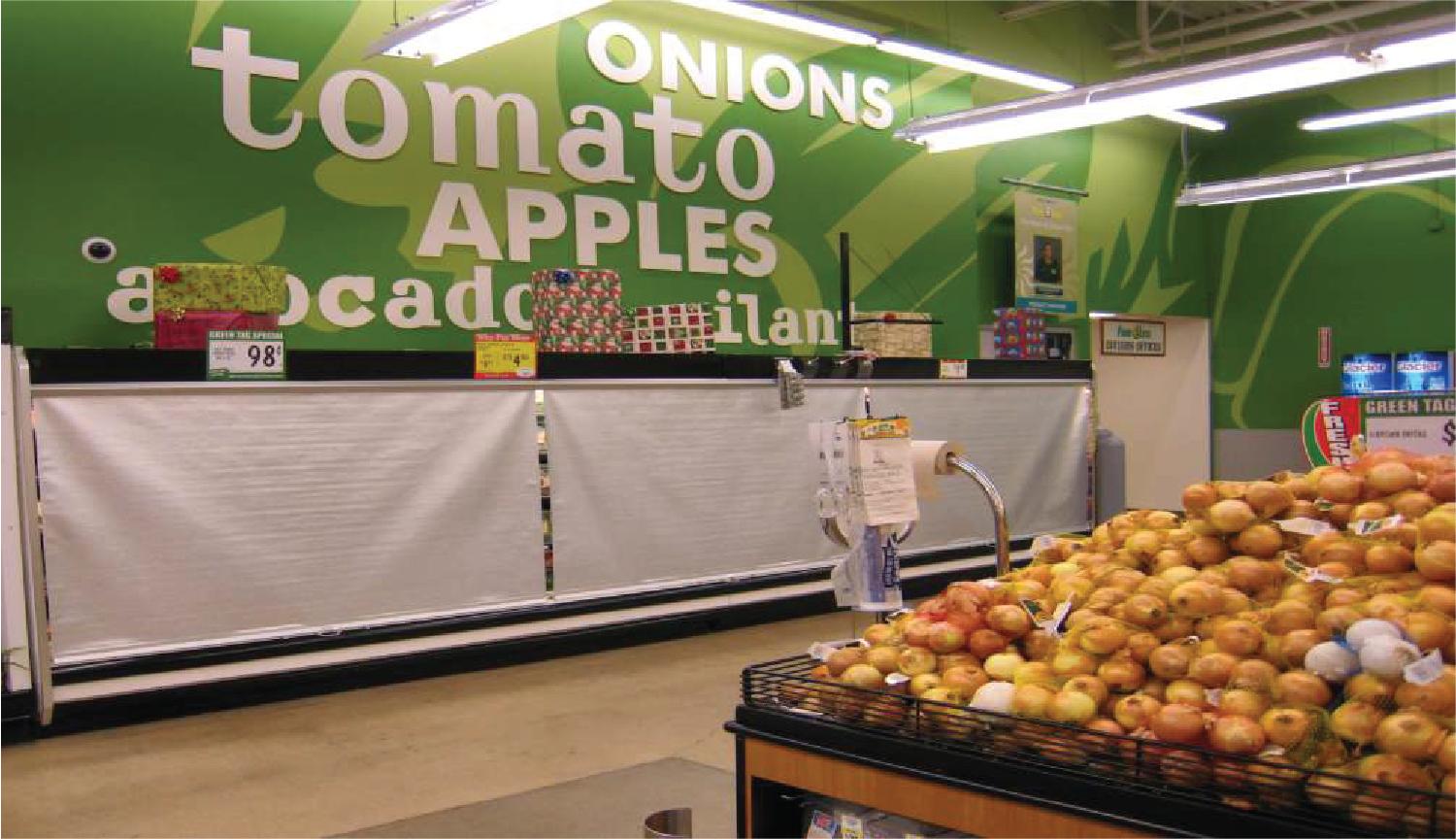
Why Meat Loses Quality Overnight
Several factors contribute to overnight discoloration and shrink in open meat cases:
- Air Exposure: Warm ambient air infiltrates open cases, causing the surface of meats to dry and leading to darker or brown edges in the front row.
- Temperature Fluctuations: Even slight rises in case temperature accelerates oxidation and color fading, particularly in lean cuts and ground meat.
- Harmful Light Exposure: Standard display lights can oxidize myoglobin in fresh meat, causing a loss of bright red color that shoppers associate with freshness.
- Uneven Airflow: Fans and refrigeration patterns can create hot or dry zones, leading to inconsistent appearance across the case.
Left unaddressed, these conditions result in visible quality loss, first-hour discard, and increased shrink, impacting profitability and operational efficiency.
How Meat Case Night Covers Protect Front-Row Cuts
Night covers are designed to fit securely over meat display cases at closing, delivering multiple benefits:
- Color Preservation: Covers reduce exposure to harmful light and warm air, slowing oxidation and maintaining natural red hues.
- Moisture Retention: By containing chilled air and reducing airflow-induced dehydration, covers help prevent dry edges on steaks, chops, and ground beef.
- Temperature Stability: Maintaining consistent case temperature overnight protects protein structure, reduces microbial stress, and supports product longevity.
- Shrink Reduction: Fewer surface losses and less drying mean less weight lost to trimming, resulting in improved yield and reduced labor costs.
Covers designed for meat cases ensure proper fit, allowing airflow where necessary for refrigeration efficiency while maximizing protection for front-row products.
Choosing the Right Meat Case Covers
When selecting night covers for meat cases, retailers should evaluate these factors:
- Case Compatibility: Covers must match multi-deck, service, or self-serve cases to prevent gaps where warm air and light could compromise product quality.
- Material Durability: Food-safe, flexible materials withstand repeated nightly use without tearing or warping.
- Ease of Handling: Covers should be lightweight and easy for staff to deploy quickly during closing routines.
- Visibility for Staff: Semi-transparent materials allow visual confirmation of coverage without compromising protection.
- Cleaning and Sanitation: Covers should be easy to clean, minimizing bacterial buildup and extending lifespan.
The right cover reduces shrink, improves visual appeal, and streamlines overnight operations.
Best Practices for Night Cover Use in Meat Departments
Maximizing the effectiveness of meat case covers requires consistent procedures:
- Integrate into SOPs: Include cover placement as part of the nightly closing routine to ensure consistent protection.
- Monitor Case Conditions: Track overnight temperatures, humidity, and airflow to confirm that covers are maintaining steady conditions.
- Avoid Obstructing Refrigeration: Ensure covers do not block fans, vents, or sensors, which could create hotspots or uneven cooling.
- Clean Regularly: Maintain hygiene to prevent residue or moisture accumulation that could affect product quality.
- Assign Accountability: Designate staff responsible for cover placement and removal to prevent missed nights.
These practices ensure that fresh meat maintains its natural color, texture, and moisture, reducing morning labor and first-hour discard.
Department-Specific Considerations
Different meat products react uniquely to overnight conditions:
- Ground Beef: Oxidizes quickly; front-row protection prevents brown edges.
- Steaks and Chops: Retain marbling and red color when shielded from air and light.
- Poultry: Prevents grayish cast on skin while keeping moisture levels consistent.
- Smoked or Cured Meats: Reduces loss of contrast and color depth on darker products and packaging.
Understanding these nuances allows store teams to prioritize protection where it has the most impact.
Measuring the Benefits of Meat Case Covers
Retailers can track performance and ROI by monitoring:
- Color Consistency: Compare front-row and back-row meat appearance before and after implementing covers.
- Shrink and Waste: Track weight loss, trimming, and discard rates for measurable savings.
- Temperature Logs: Verify overnight stability and detect any gaps in coverage.
- Labor Efficiency: Reduced discard and trimming frees staff for merchandising and customer service tasks
Documenting these metrics demonstrates both operational and financial value to store management.
Avoiding Common Mistakes
To ensure covers deliver maximum benefit, avoid these pitfalls:
- Improper Fit: Gaps allow warm air and light to compromise product appearance.
- Inconsistent Use: Skipping nights negates protection and increases morning discard.
- Blocked Airflow: Obstructing fans or sensors can create uneven cooling or condensation.
- Poor Cleaning: Residue buildup reduces lifespan and hygiene, potentially affecting product safety.
Attention to these details ensures consistent protection for all meat products in the display case.
Conclusion
Meat case night covers are an essential tool for retailers seeking to preserve front-row color, reduce shrink, and maintain product quality. By limiting exposure to harmful lights, stabilizing temperature, and retaining moisture, covers help store teams reduce labor, minimize first-hour discard, and improve shopper perception of freshness.
For stores looking to implement reliable overnight protection and maintain consistent meat display quality, night covers are a practical, low-cost solution with measurable benefits.
To explore high-quality meat case covers and other display solutions, visit www.refrigerationcovers.com and learn how proper overnight coverage can protect perishables and improve operational efficiency.
Quick Contact
We'll get back to you shortly.
We'll get back to you shortly.